Science: The Power of Global Collaboration
The biggest scientific questions are too large for any single laboratory or country. From the structure of matter to the spread of diseases, global collaboration has become one of the main engines of modern research.
Science on a planetary scale
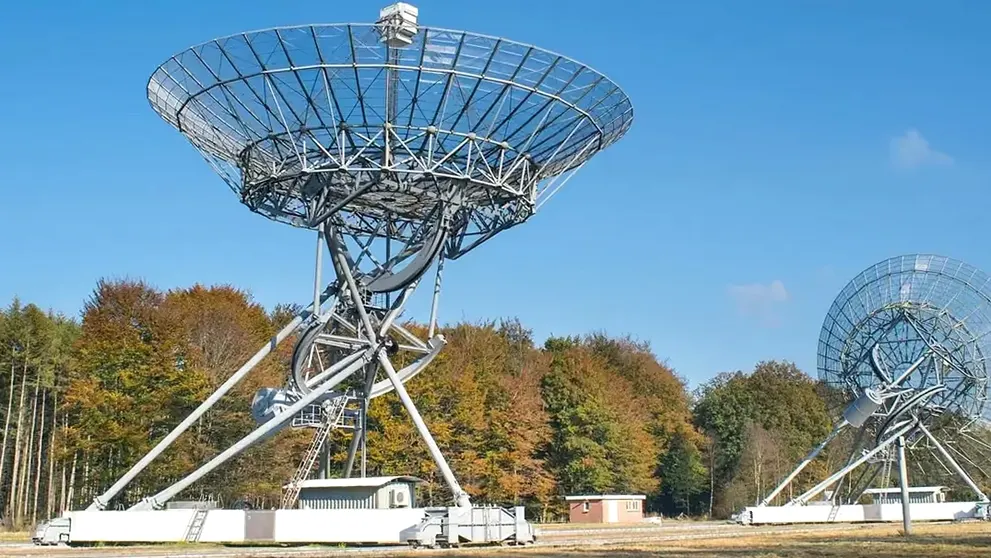
Some projects bring together thousands of researchers from dozens of countries. Particle physics experiments rely on huge detectors built and operated by international teams. Astronomers link radio telescopes on different continents to function like a single instrument the size of the Earth. Genome projects and climate observation networks gather data from every region, creating resources that no nation could build alone.
Speeding up the sharing of results
The way results circulate has also changed. Preprints, studies shared publicly before formal peer review, allow findings to spread within days rather than months. Open-access journals make articles free to read for anyone. During health emergencies, this rapid sharing has helped researchers worldwide build on each other's work quickly, though it also requires care, since preliminary results can later be revised.
- International consortia sharing equipment and data
- Open-access publications available to everyone
- Preprints that accelerate scientific exchange
- Common standards so data can be combined across countries
Making collaboration fair
Global science is not yet equally global. Researchers in lower-income countries often face limited funding, equipment and visibility. Fair partnerships involve local scientists as full contributors rather than data collectors, share credit appropriately and build lasting capacity. When collaboration is truly inclusive, it brings diverse perspectives that strengthen the quality and relevance of research for everyone.